As an Amazon Associate I earn from qualifying purchases and sometimes recommend products from other sellers at no extra cost to you. For more details see my disclosure policy and privacy policy.
This post may contain affiliate links - I may make commission from any purchases.
Sewing is a timeless craft that appeals to many beginners and home sewers for its creativity, practicality, and therapeutic nature. Whether you’re looking to mend clothes, create custom fashion pieces, or embark on quilting projects, sewing offers a rewarding outlet for your artistic expression.
But the array of tools and materials can be overwhelming for those just starting. This guide will walk you through the essential items you’ll need to start your sewing journey confidently and successfully.

Table of Contents
Essential Sewing Tools
1. Needles
- Hand Sewing Needles: These come in different sizes and types, each suited for specific tasks. Common types include sharps (general sewing), ballpoint (knits), and embroidery needles.
- Machine Needles: These are designed for sewing machines and also come in various types such as universal, stretch, and denim. Matching the needle type to the fabric you’re using is crucial.
Tip: Investing in a variety pack of needles can help you understand which needles work best for different fabrics and projects.
2. Scissors and Cutting Tools
- Fabric Shears: A good pair of fabric shears is a must. These are designed to cut through fabric smoothly without fraying.
- Embroidery Scissors: These small, sharp scissors are perfect for detailed work and cutting threads.
- Rotary Cutter: This tool is useful for cutting straight lines quickly, especially when working with patterns or quilts. To protect your surfaces, always use a self-healing cutting mat.
- Pinking Shears: These scissors have a zigzag edge and are used to cut the edges of fabric to prevent fraying.
Tip: Keep your fabric scissors separate from paper scissors to ensure they stay sharp.
3. Measuring Tools
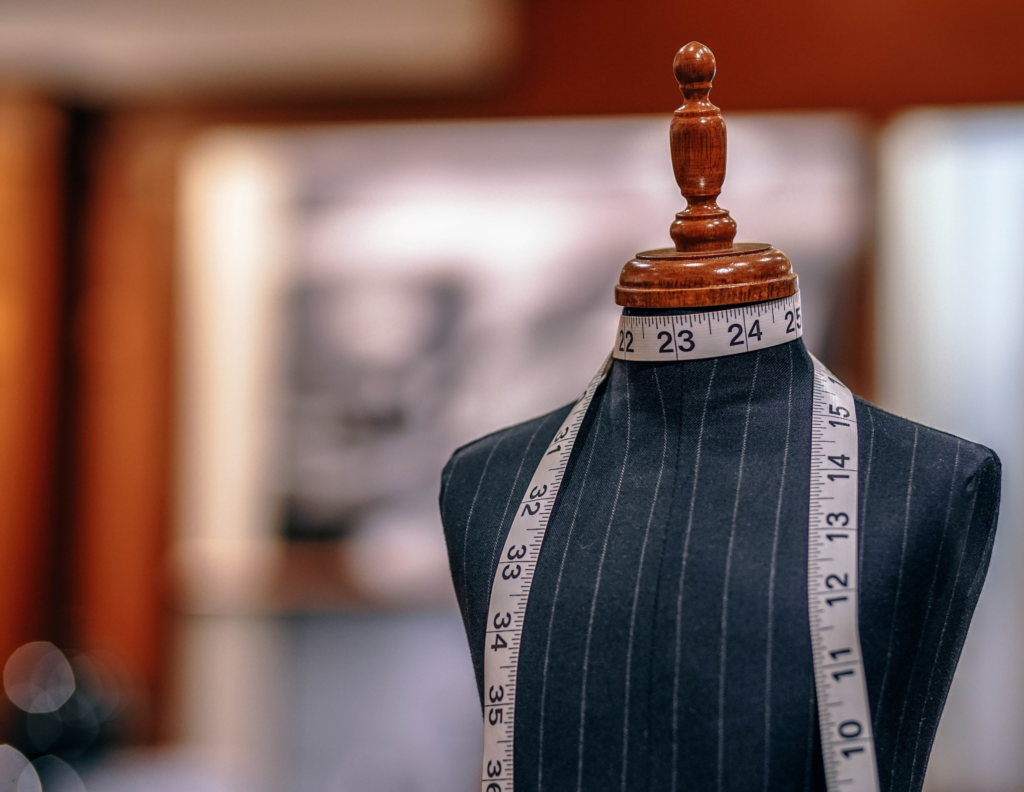
- Tape Measure: Essential for taking body measurements and measuring fabric. Look for one that’s flexible and retractable.
- Rulers: A clear acrylic ruler is handy for cutting straight lines and measuring seam allowances.
- Seam Gauge: This small ruler helps measure short distances, such as hems or seam allowances.
Tip: Accuracy in measuring can make a big difference in the final outcome of your sewing projects.
4. Marking Tools
- Tailor’s Chalk: Available in various colors to mark fabric without leaving permanent stains.
- Fabric Markers/Pens: These come in air- or water-soluble varieties for temporary marking.
- Tracing Wheel and Carbon Paper: Useful for transferring pattern markings onto fabric.
Tip: Always test marking tools on a scrap piece of fabric to ensure they don’t leave permanent marks.
5. Pins and Pincushions
- Straight Pins: Used to hold fabric pieces together. Look for ones with large heads for easy handling.
- Safety Pins: These are great for securing fabrics that will be tried on or moved around a lot.
- Pincushions/Magnetic Pin Holders: Keep your pins organized and within reach.
Tip: Magnetic pin holders are especially useful for quick clean-ups.
6. Sewing Machine
A reliable sewing machine is invaluable. Beginners might start with a basic model that offers essential stitches and features like adjustable stitch length, zigzag stitching, and a built-in needle threader.
Tip: Consider brands like Brother, Singer, and Janome, which offer user-friendly options for beginners.
Overview of Sewing Materials
1. Fabrics
- Cotton: Ideal for beginners due to its ease of handling and versatility.
- Knit Fabrics: Great for making garments but require specific needles and stitches.
- Wool: Suitable for tailored garments, though it can be trickier to work with.
- Silk and Satin: Luxurious but slippery, requiring more practice to sew well.
Tip: Start with medium-weight cotton fabrics until you gain more confidence.
2. Threads
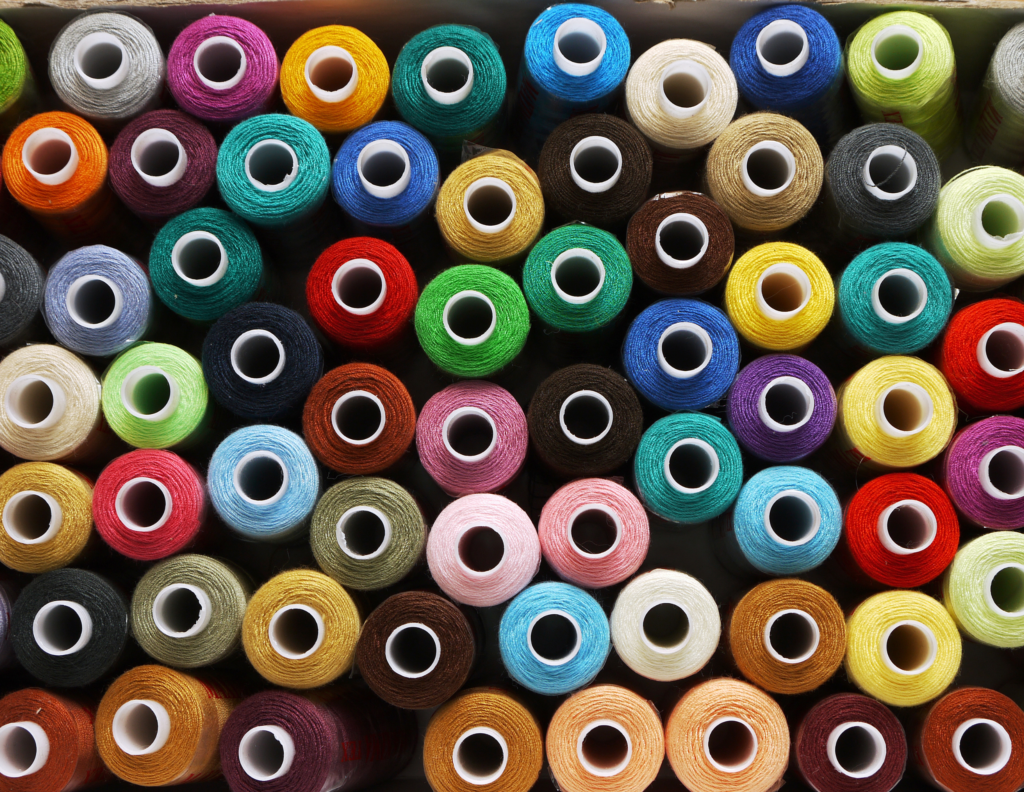
- Polyester Thread: Strong and versatile, suitable for most projects.
- Cotton Thread: Best for natural fabrics like cotton and linen.
- Specialty Threads: Such as silk, metallic, or heavy-duty threads for specific projects.
Tip: Matching your thread type to your fabric ensures better results and durability.
3. Stabilizers
- Interfacing: Adds structure to collars, cuffs, and other parts of garments.
- Batting: Used in quilting to add thickness and warmth.
- Fusible Web: Bonds two layers of fabric together for appliqué or hemming without sewing.
Tip: Choose the right weight and type of stabilizer for your project to avoid stiffness or bulkiness.
Practical Advice: Where to Find Quality Tools and Materials
For beginners, finding quality tools and materials at affordable prices is crucial. Here are some tips:
- Local Fabric Stores: These offer the advantage of seeing and feeling materials before buying.
- Online Retailers: Websites like Amazon, Fabric.com, and Joann offer a wide range of sewing supplies.
- Specialty Stores: Shops dedicated to quilting, embroidery, or other specific crafts often have high-quality materials.
- Second-Hand Options: Thrift stores, garage sales, and online marketplaces like eBay can be treasure troves for inexpensive tools and fabrics.
Tip: Sign up for newsletters from fabric stores to get alerts on sales and discounts.
Setting Up a Basic Sewing Kit
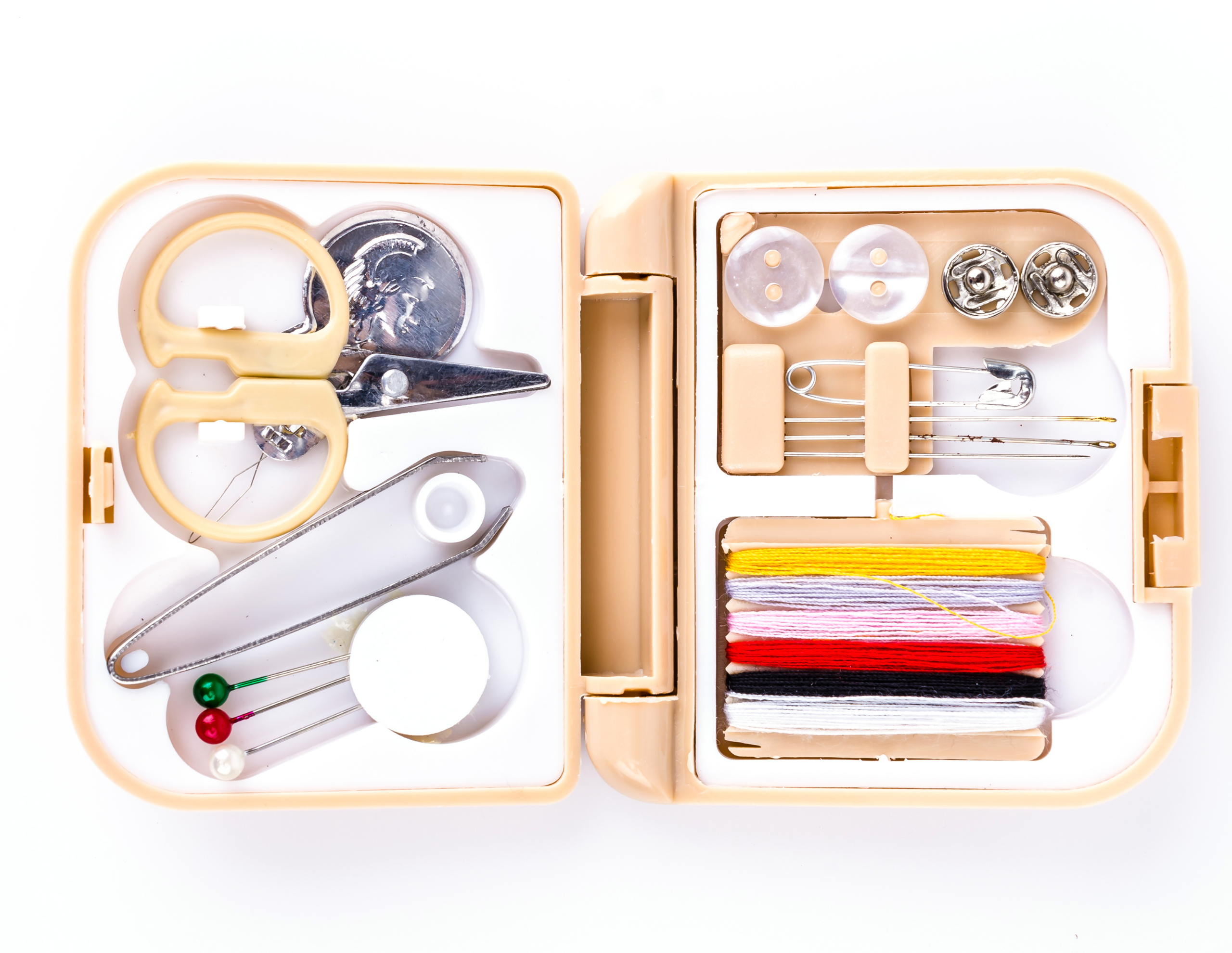
To get started, assemble a basic sewing kit with these essentials:
- Hand sewing needles
- Fabric shears
- Small embroidery scissors
- Tape measure
- Seam gauge
- Tailor’s chalk or fabric markers
- Straight pins and pincushion
- A spool of polyester thread in a neutral color
Tip: A portable storage box or a dedicated sewing basket keeps your tools organized and easily accessible.

Organizing Your Sewing Space
A well-organized sewing space enhances creativity and productivity. Here are some tips:
- Designate a Space: Even a small corner can be transformed into a sewing area.
- Use Storage Solutions: Shelving units, pegboards, and drawer organizers keep tools and materials tidy.
- Keep a Cutting Surface Accessible: A large, flat surface for cutting fabric is essential.
- Good Lighting: Ensure your space is well-lit to avoid eye strain and mistakes.
Tip: Regularly declutter your space to maintain a conducive environment for creativity.
Conclusion
Starting your sewing journey on the right foot means equipping yourself with the essential tools and materials. The right needle, scissors, fabrics, and more will set you up for success, making each project enjoyable and rewarding.
We hope this guide has provided you with the comprehensive knowledge necessary to start sewing with confidence. Remember, the right tools and materials can make all the difference in achieving professional results, even as a beginner.
If you have any questions or want to share your experiences, feel free to comment below. Happy sewing!