As an Amazon Associate I earn from qualifying purchases and sometimes recommend products from other sellers at no extra cost to you. For more details see my disclosure policy and privacy policy.
This post may contain affiliate links - I may make commission from any purchases.
What does orange mean to you? For many, orange is associated with the autumn season. The leaves change color and the air becomes crisp. Orange can also be seen as a symbol of happiness and joy. This is because it is the color of the sun and often brings light into dark places. In this blog post, we will discuss the symbolism of orange and how it applies to different areas of life. We will also provide some examples of how you can use orange in your own life!
Table of Contents
Psychological Meaning of Orange
According to color psychology, orange is a vibrant and warm color that can invoke feelings of happiness and energy. It is often associated with the autumn season, as it is the color of pumpkins and leaves.

Orange is also a popular flavor for food and drink, particularly in the fall and winter months. Pumpkin spice lattes, for example, are a well-known fall favorite. In terms of personality type, orange is often seen as a creative color.
Those who enjoy orange are often thought to be friendly and outgoing. If you enjoy the taste of orange, you may be someone who enjoys new experiences and adventure. You may also be optimistic and enjoy being surrounded by happy people.
Next time you reach for an orange, think about what the color means to you on a psychological level. You may just find that it brings you more happiness than you realized.
Physical Effects of Orange
Everyone knows the psychological effects of different colours, including oranges. This shade of orange is strongly associated with joy and enthusiasm, but it can have some physical effects as well. For example, the hue is believed to increase creative thoughts and give the viewer a sense of physical warmth.
Studies have also shown that people are more likely to take risks and think outside the box when exposed to orange stimuli. While this can be beneficial for innovation and generating new ideas, it does come with one disadvantage – there is evidence that exposure to orange can lead to eye strain, headaches, and other physical discomforts.
It’s important to remember this if you’re considering using a lot of orange in your home or office – it might be best to only use a few pops of colour throughout your space rather than an overwhelming amount. Overall, using orange thoughtfully can help you harness its positive energy without any negative consequences.
Orange Color Meanings in Different Cultures
Orange is a color that has been associated with many different meanings over the years. In some cultures, it is seen as a positive symbol of joy and creativity. In others, it is seen as a sign of warning or danger. Here are some of the most common orange color meanings from around the world:
- In China, orange is generally seen as a positive color. It is associated with good luck, happiness, and success. Orange is also often used in traditional Chinese art and architecture.
- In India, orange is often associated with sacred objects and religious ceremonies. The color is also thought to bring good luck and fortune.
- In Western cultures, orange is often seen as a cheerful and warm color. It is associated with energy, vibrancy, and fun. Orange is also the color of Autumn, when leaves turn to shades of orange and red.
As you can see, orange has many different meanings in different cultures. Whether you see it as a symbol of good luck or hard work, there’s no doubt that orange is a vibrant and exciting color.
What is the Orange Chakra?
The Orange Chakra is located at the sacral area, just below the navel. It is associated with the element of water, and its energies are fluid and ever-changing.
The Orange Chakra is responsible for our pleasure and creativity. It is also linked to our sexual and reproductive energy, as well as our ability to be emotionally open and honest. When the Orange Chakra is in balance, we are able to express our desires and needs in a healthy way. We are also able to enjoy pleasure without attached expectations or fears.
However, when the Orange Chakra is out of balance, we may struggle with intimacy issues, creative blocks, or a general feeling of dissatisfaction.
If you feel like your Orange Chakra could use some balancing, there are a few things you can do. First, try spending time near bodies of water, such as oceans, rivers, or lakes. You can also meditate on the color orange, or wear orange clothing or gemstones. Finally, eat plenty of oranges (or other citrus fruits) to keep your chakra energized and aligned.
Orange Gemstones and their Meanings
Orange gemstones are known for their bright, cheerful hue. The color orange is associated with happiness, success, and good fortune. As such, orange gemstones are often given as gifts to celebrate special occasions like births, graduations, and anniversaries.
- Citrine is one of the most popular orange gemstones. It is said to promote creativity and self-expression.
- Carnelian is another popular orange stone. It is known for its ability to boost energy levels and promote motivation.
- Orange calcite is said to be helpful for those suffering from depression or anxiety. It is also said to encourage a positive outlook on life.
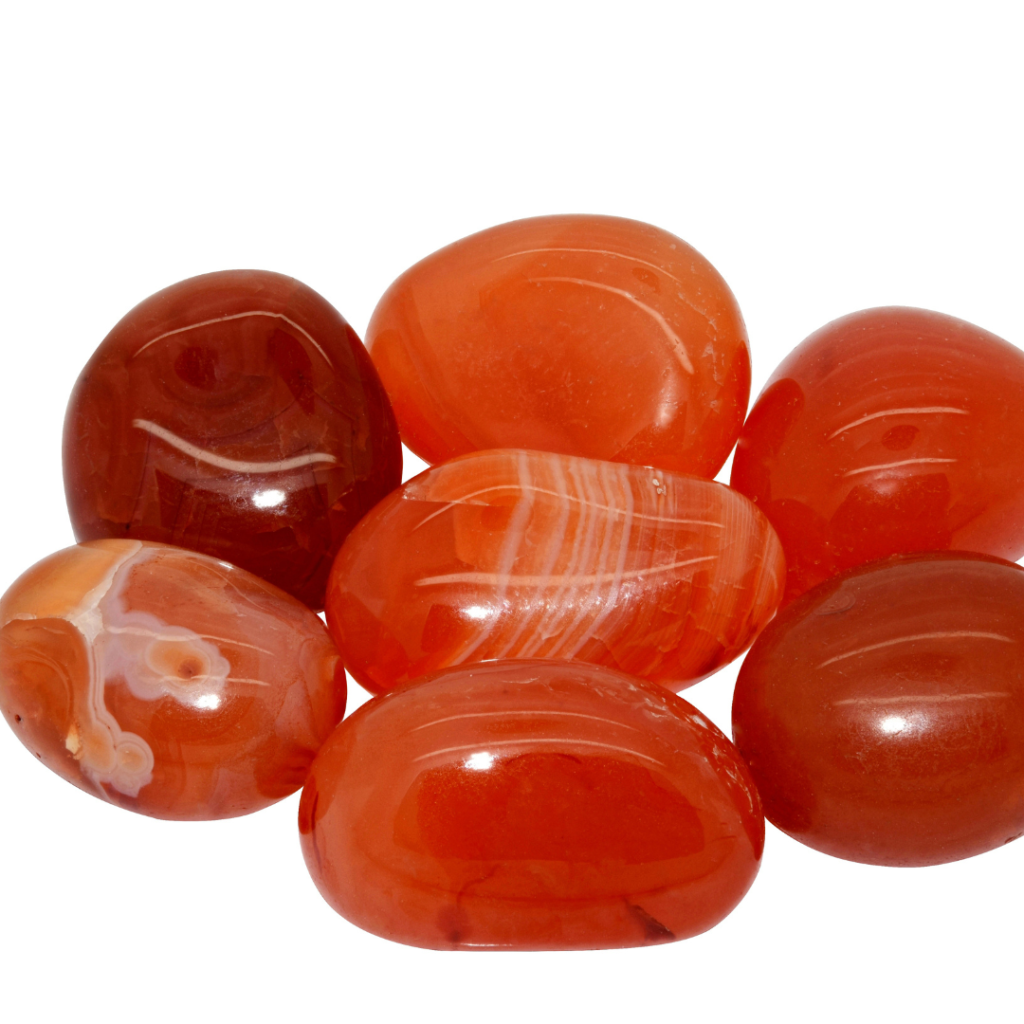
Orange gemstones make beautiful pieces of jewelry and can be found in a variety of price ranges. Whatever your budget, you’re sure to find an orange gemstone that suits your needs.
Orange and the Zodiac Signs
Orange is often associated with the sign of Sagittarius, which is known for its optimistic and positive attitude.
Meanings of Orange Shades
- Pale orange: light hues of orange which can represent feelings of friendliness and good health, while also being soothing. Light orange hex code: #FED8B1
- Aggressive, exciting hues of red-orange are stimulating and hot like raw, impulsive heat. Red-orange’s hex code is #FF3300.
Most Common Uses of Orange
Orange is a vibrant and cheerful color that can help to enliven a room, drawing attention without resorting to too much intensity. In addition, the warm hue is often associated with summer days, helping to bring about a feeling of relaxation and optimism.
As such, there are many applications for orange in home decorating and design. For instance, it is often used as an accent color to brighten an otherwise neutral palette.

Orange works especially well in kitchens and bathrooms; its brightness can make cooking or showering more pleasant experience. Additionally, orange lighting fixtures are common in living rooms and other family spaces; they add style while providing ample ambient light.
All-over orange walls tend to be reserved for more playfully decorated rooms such as children’s bedrooms or outdoor gardens, while subtle accents of orange can often be found in artwork placed around the house.
Ultimately, orange of all shades has many uses when it comes to interior design – all it needs is a bit of creativity!
How to use orange in design
When it comes to design, orange is often considered a bold and daring color. However, when used correctly, orange can add a touch of brightness and cheerfulness to any space. Here are a few tips for using orange in your next design project:
- Use orange as an accent color. A pop of orange can liven up any room, so don’t be afraid to use it sparingly. Add an orange pillow to a couch or place a vase of oranges on a coffee table.
- Pair orange with other colors. Orange looks great with both neutrals and other bright colors. For a calming effect, try pairing orange with gray or white. For a more energetic look, pair orange with yellow or purple.
- Use different shades of orange. Just like any other color, there are many different shades of orange. From pale peach to deep rust, there is an oranges for every design scheme. Experiment with different shades to find the perfect one for your space.
With these tips in mind, you’ll be able to incorporate orange into your next design project with ease!
What color complements orange?
Colors can be divided into two main categories: warm and cool. Warm colors include red, orange, and yellow, while cool colors include blue, green, and purple. When choosing a color to complement orange, you will want to consider whether you want to create a warm or cool effect.

For a warm effect, you might choose a yellow or red; for a cool effect, you might choose green or blue. You will also want to consider the level of intensity you want to create.
For a more subtle look, you might choose a pale green or blue; for a bolder look, you might choose a deep green or blue. Whatever effect you are going for, there is sure to be a color that will complement orange perfectly.